- Get Free Quotes
- +91 99209 06048
- +91 22675 21290
- [email protected]

Seamless vs Welded Stainless Steel Pipe Fittings: Which One Is Right for You?
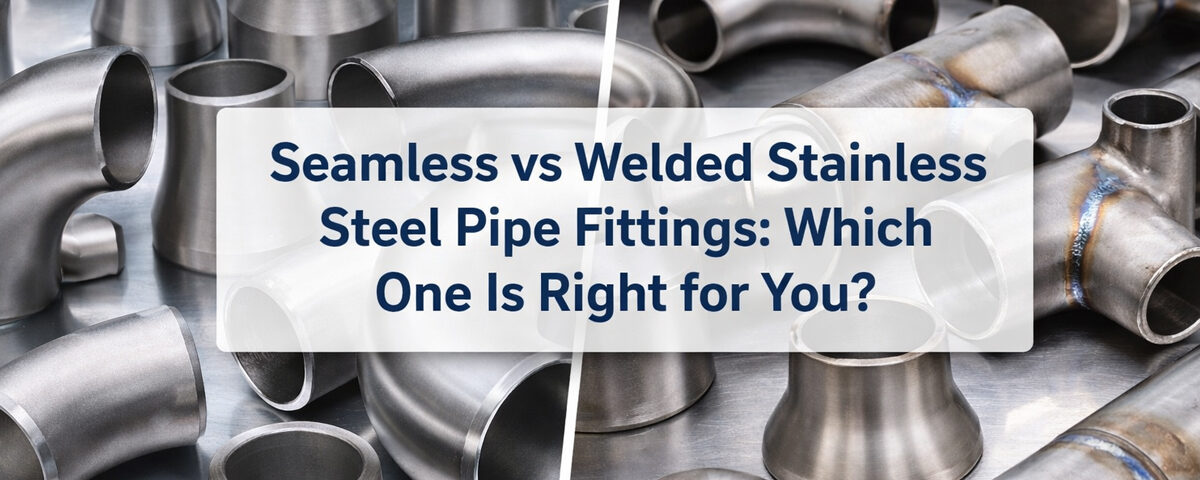
Choosing the right stainless steel pipe fittings is not just about size and grade. One of the most important decisions engineers, contractors, and procurement managers face is whether to use seamless or welded stainless steel pipe fittings.
For industries sourcing stainless steel pipe fitting in Mumbai India, this decision directly impacts system safety, pressure handling, corrosion resistance, compliance, and long-term operating cost.
In this detailed guide, we explain the difference between seamless and welded stainless steel pipe fittings, their advantages, limitations, applications, common mistakes, expert tips, and FAQs so you can confidently select the right option for your project.
What Are Stainless Steel Pipe Fittings?
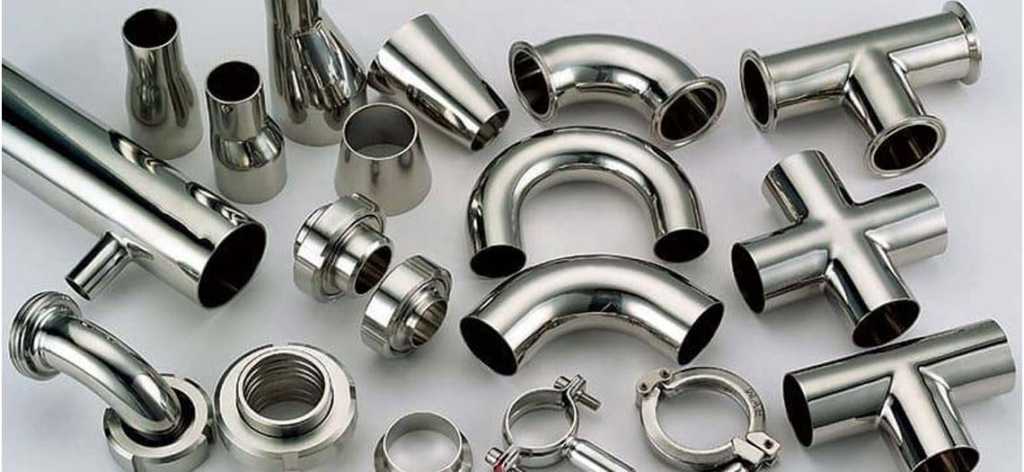
Stainless steel pipe fittings are components used to connect pipes, change flow direction, regulate pressure, or terminate piping systems. Common types include elbows, tees, reducers, couplings, and flanges.
They are widely used in:
- Oil & gas
- Chemical processing
- Pharmaceuticals
- Food & beverage
- Water treatment
- Marine and coastal installations
The manufacturing method seamless or welded plays a major role in how these fittings perform.
What Are Seamless Stainless Steel Pipe Fittings?
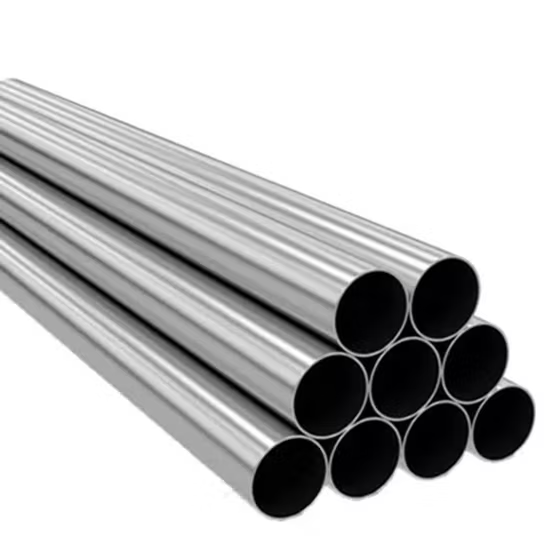
Seamless stainless steel pipe fittings are manufactured from solid stainless steel billets. The billet is heated and pierced to create a hollow shape, then formed into fittings without any welding joint.
Key Characteristics
- No welded seam
- Uniform structure
- Higher pressure resistance
- Superior strength and reliability
Seamless fittings are commonly manufactured in grades such as SS 304, SS 316, and Duplex stainless steel.
What Are Welded Stainless Steel Pipe Fittings?
Welded stainless steel pipe fittings are produced by rolling stainless steel plates or coils into shape and welding the seam, followed by forming into fittings.
Key Characteristics
- Visible or inspected weld seam
- Cost-effective
- Suitable for low to medium pressure
- Widely available in larger sizes
Advanced welding techniques and quality control can make welded fittings highly reliable for many applications.
Seamless vs Welded Stainless Steel Pipe Fittings: Key Differences
1. Strength and Pressure Handling
Seamless Stainless Steel Pipe Fittings
- Higher tensile strength
- No weak points from weld seams
- Ideal for high-pressure and high-temperature systems
Welded Stainless Steel Pipe Fittings
- Slightly lower pressure tolerance
- Strength depends on weld quality
- Suitable for low to medium pressure systems
Winner: Seamless fittings
2. Corrosion Resistance
Seamless
- Uniform structure reduces corrosion risk
- Better performance in aggressive chemical environments
Welded
- Weld zone may be more susceptible if not properly treated
- Modern welding and pickling reduce this risk significantly
Winner: Seamless (marginal advantage)
3. Cost Comparison
Seamless Fittings
- Higher manufacturing cost
- More expensive raw material usage
Welded Fittings
- More economical
- Ideal for budget-controlled projects
Winner: Welded fittings
4. Size Availability
Seamless
- Limited availability in very large diameters
Welded
- Available in larger sizes and custom dimensions
Winner: Welded fittings
5. Appearance and Finish
Both seamless and welded stainless steel pipe fittings can achieve:
- Smooth surface finish
- Polished or pickled appearance
- Compliance with hygienic standards
From an external view, high-quality welded fittings often look identical to seamless ones.
Application-Based Comparison
When to Choose Seamless Stainless Steel Pipe Fittings
Seamless fittings are ideal for:
- High-pressure pipelines
- Oil & gas industries
- Chemical processing plants
- Steam and thermal systems
- Critical safety applications
Industries in Mumbai handling aggressive chemicals often prefer seamless options for added reliability.
When to Choose Welded Stainless Steel Pipe Fittings
Welded fittings are suitable for:
- Water supply lines
- HVAC systems
- Structural piping
- Food and beverage plants (with proper finish)
- Low to medium pressure applications
Many projects sourcing stainless steel pipe fitting in Mumbai India choose welded fittings to balance performance and cost.
Seamless vs Welded: Quick Comparison Table
| Factor | Seamless Fittings | Welded Fittings |
| Pressure Capacity | High | Medium |
| Corrosion Resistance | Excellent | Very Good |
| Cost | Higher | Lower |
| Size Range | Limited | Wide |
| Weld Seam | None | Present |
| Ideal Use | Critical systems | General applications |
Expert Tips Before Making Your Choice
- Evaluate operating pressure and temperature
High pressure always favors seamless fittings.
- Check industry compliance requirements
Some industries mandate seamless fittings by standard.
- Don’t over-specify unnecessarily
Using seamless fittings where welded is sufficient increases cost.
- Verify material grade and standards
Always insist on ASTM and ASME compliance.
- Choose reliable suppliers in Mumbai
Quality control matters more than manufacturing methods.
Common Mistakes Buyers Make
Mistake 1: Assuming welded fittings are low quality
Modern welded fittings meet strict international standards when manufactured correctly.
Mistake 2: Selecting seamless fittings for every project
This often leads to unnecessary cost overruns.
Mistake 3: Ignoring inspection and testing
Non-tested fittings are a major risk.
Mistake 4: Not checking weld treatment in welded fittings
Improper pickling and passivation can reduce corrosion resistance.
Mistake 5: Buying solely on price
Cheapest fittings often fail quality and pressure tests.
Why Source Stainless Steel Pipe Fitting in Mumbai India?
Mumbai is one of India’s largest hubs for stainless steel products due to:
- Established manufacturers and exporters
- Access to ports and logistics
- Availability of certified materials
- Skilled fabrication and testing facilities
Sourcing locally ensures faster delivery, better technical support, and consistent quality.
Frequently Asked Questions (FAQs)
1. Are seamless stainless steel pipe fittings better than welded ones?
Seamless fittings are better for high-pressure and critical applications, but welded fittings perform excellently in standard conditions.
2. Can welded stainless steel fittings be used in food industries?
Yes, when properly welded, pickled, and polished, they meet hygienic standards.
3. Are welded fittings more prone to leakage?
Only if welding quality is poor. Certified welded fittings undergo rigorous testing.
4. Which is more cost-effective in the long run?
Welded fittings offer better cost efficiency for low-pressure systems, while seamless fittings reduce risk in critical pipelines.
5. Which option is commonly used in Mumbai industries?
Both are widely used. Selection depends on pressure, environment, and industry requirements.
Final Verdict: Which One Is Right for You?
Choose seamless stainless steel pipe fittings if your project demands:
- High pressure handling
- Maximum reliability
- Critical safety performance
Choose welded stainless steel pipe fittings if your project requires:
- Cost efficiency
- Larger sizes
- Standard operating conditions
For businesses sourcing stainless steel pipe fitting in Mumbai India, the right choice depends on application not assumptions.