- Get Free Quotes
- +91 99209 06048
- +91 22675 21290
- [email protected]

Common Problems with Pipe Fittings and How to Prevent Them
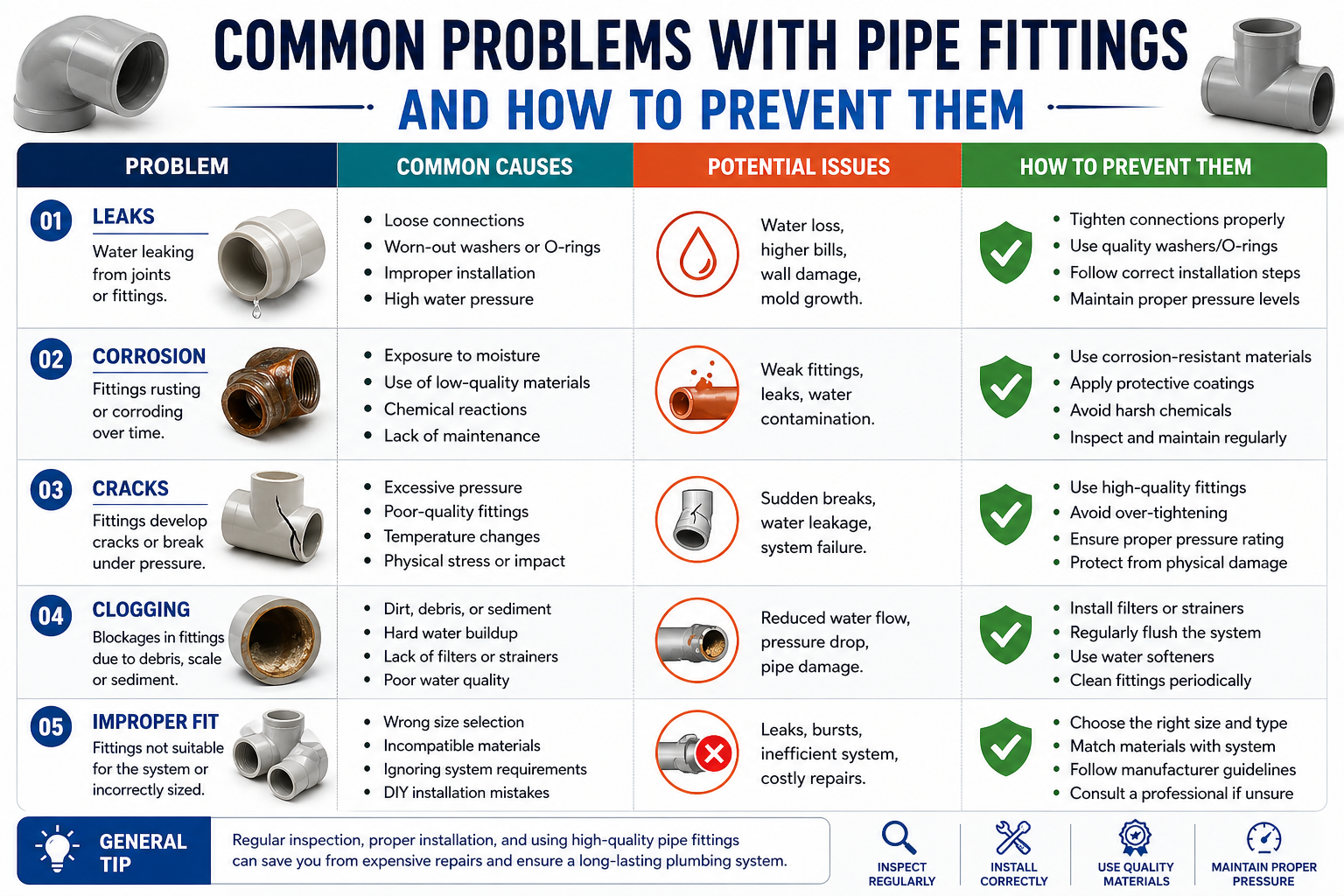
Pipe fittings may look like small components in a large system, but anyone in construction, plumbing, or industrial projects knows the truth they can make or break the entire setup. A minor leak or a poorly fitted joint can lead to costly repairs, downtime, and even safety hazards.
If you’re sourcing materials through a steel manufacturing agency in Mumbai or working with a steel pipe fitting in Mumbai, understanding these common problems (and how to prevent them) will save you time, money, and a lot of frustration.
Let’s break it down in a practical, no-nonsense way
Why Pipe Fittings Matter More Than You Think
Pipe fittings are responsible for connecting, redirecting, and controlling the flow within piping systems. Whether it’s a residential plumbing line or a large industrial setup, fittings ensure:
- Leak-proof connections
- Smooth flow of liquids or gases
- Structural integrity of the pipeline
A small error in fitting selection or installation can compromise the entire system. That’s why professionals rely on trusted suppliers and experienced agencies.
1. Leakage at Joints
The Problem
Leakage is one of the most common issues with pipe fittings. It usually occurs at joints due to improper sealing, poor installation, or low-quality materials.
Why It Happens
- Incorrect threading or alignment
- Worn-out sealing materials
- Use of incompatible fittings
- Poor-quality steel or manufacturing defects
How to Prevent It
- Always use high-quality fittings sourced from a reliable steel manufacturing agency in Mumbai
- Apply proper sealing methods like Teflon tape or pipe dope
- Ensure correct alignment during installation
- Conduct pressure testing before full operation
A well-installed joint should never “hope” to hold it should be engineered to.
2. Corrosion and Rusting
The Problem
Corrosion gradually weakens pipe fittings, leading to leaks, contamination, and eventual failure.
Why It Happens
- Exposure to moisture or chemicals
- Use of non-resistant materials
- Lack of protective coatings
According to the National Association of Corrosion Engineers, corrosion is one of the leading causes of infrastructure damage globally, affecting industrial systems significantly.
How to Prevent It
- Choose corrosion-resistant materials like stainless steel
- Apply protective coatings or galvanization
- Regularly inspect and maintain fittings
- Use fittings designed for specific environments (chemical, marine, etc.)
If your environment is aggressive, your materials must be tougher.
3. Incorrect Fitting Size
The Problem
Using the wrong size fitting can cause leaks, pressure drops, or even system failure.
Why It Happens
- Measurement errors
- Lack of standardization awareness
- Mixing different piping systems
How to Prevent It
- Double-check measurements before purchase
- Follow industry standards such as those by American Society of Mechanical Engineers
- Work with experienced suppliers who guide proper selection
A fitting that’s “almost right” is actually completely wrong.
4. Poor Quality Materials
The Problem
Low-grade materials can crack, deform, or fail under pressure.
Why It Happens
- Choosing cheaper alternatives
- Lack of quality checks
- Unverified suppliers
How to Prevent It
- Source from certified vendors or a trusted steel pipe fitting in Mumbai supplier
- Ask for material test certificates (MTC)
- Verify compliance with standards like Bureau of Indian Standards
Cutting costs on materials often leads to higher costs later.
5. Improper Installation
The Problem
Even the best fittings fail if installed incorrectly.
Why It Happens
- Lack of skilled labor
- Over-tightening or under-tightening
- Misalignment during assembly
How to Prevent It
- Hire trained professionals
- Follow manufacturer guidelines
- Use proper tools for installation
Installation is not just laborit’s a technical process.
6. Pressure and Temperature Mismatch
The Problem
Fittings can fail if they cannot handle the system’s pressure or temperature.
Why It Happens
- Incorrect product selection
- Ignoring system requirements
- Lack of technical knowledge
How to Prevent It
- Understand your system’s pressure and temperature limits
- Choose fittings rated for those conditions
- Consult experts before finalizing materials
A fitting designed for low pressure won’t survive in a high-pressure system no matter how well it’s installed.
7. Thread Damage and Wear
The Problem
Threads wear out over time, leading to loose connections and leaks.
Why It Happens
- Frequent assembly/disassembly
- Poor handling
- Use of incompatible threading standards
How to Prevent It
- Avoid over-tightening
- Use compatible thread standards
- Replace worn-out fittings promptly
Threads are small details but they carry big responsibility.
8. Chemical Reactions and Compatibility Issues
The Problem
Certain chemicals can react with pipe materials, causing degradation.
Why It Happens
- Using incompatible materials
- Lack of chemical resistance knowledge
How to Prevent It
- Study chemical compatibility charts
- Use specialized fittings for chemical applications
- Consult industry experts
In industrial setups, chemistry matters as much as engineering.
Best Practices for Long-Lasting Pipe Fittings
To avoid most of these issues, follow these proven practices:
- Work with a reliable steel manufacturing agency in Mumbai
- Always prioritize quality over cost
- Perform routine inspections and maintenance
- Train your team on proper installation techniques
- Keep documentation of materials and specifications
Consistency in quality control leads to long-term reliability.
FAQs (AEO Optimized)
What is the most common problem with pipe fittings?
Leakage at joints is the most common issue, usually caused by improper installation or poor-quality materials.
How can I prevent pipe fitting leaks?
Use high-quality fittings, ensure proper sealing, and follow correct installation methods.
Which material is best for pipe fittings?
Stainless steel is widely preferred due to its strength and corrosion resistance, especially in industrial applications.
Why do pipe fittings fail?
They fail due to corrosion, pressure mismatch, poor installation, or low-quality materials.
How often should pipe fittings be inspected?
Regular inspections should be done periodically, depending on system usage and environmental conditions.
Conclusion
Pipe fittings might seem like minor components, but they play a major role in the safety and efficiency of any piping system. Most problemswhether leaks, corrosion, or failureare preventable with the right approach.
Choosing the right steel pipe fitting in Mumbai, working with a trusted steel manufacturing agency in Mumbai, and following proper installation and maintenance practices can significantly reduce risks.